
NAD+ X 500mg
Regular price
Rs. 15,524
- Unit price
- per
 100% Authentic
 Made in USA
 Authorised distributor
 1-5 Days delivery

NAD+ X 500mg
Regular price
Rs. 15,524
- Unit price
- per
Price includes all duties and taxes
SKU: NAD-500MG
FMI's Choice
NAD+ (Nicotinamide Adenine Dinucleotide)
NAD+ is a crucial coenzyme present in all living cells, central to redox reactions and cellular metabolism. It participates in glycolysis, β‑oxidation, and oxidative phosphorylation, while also serving as a substrate for post‑translational modifications such as ADP‑ribosylation and deacetylation. These processes are vital for energy metabolism, DNA repair, gene expression, and stress response. Beyond its metabolic role, NAD+ functions as a signaling molecule, influencing pathways related to cell survival, aging, and disease susceptibility. Levels of NAD+ decline with age, sparking interest in NAD+‑boosting molecules for health and longevity.
Mechanistic Claims
- Energy Metabolism: Essential cofactor in glycolysis, β‑oxidation, and oxidative phosphorylation.
- DNA Repair & Genomic Stability: Substrate for PARPs (poly‑ADP ribose polymerases) involved in DNA repair.
- Epigenetic Regulation: Supports sirtuin‑mediated deacetylation, modulating gene expression and stress resistance.
- Cell Survival & Stress Response: Influences pathways that regulate apoptosis, inflammation, and cellular resilience.
- Aging & Longevity: Declining NAD+ levels linked to metabolic dysfunction, mitochondrial decline, and age‑related diseases.
Research Applications
- Metabolic and mitochondrial biology studies
- DNA repair and genomic stability investigations
- Epigenetics and sirtuin biology research
- Aging and longevity studies
- Neurodegenerative and age‑related disease models
NAD+ Research
NAD+ is involved in redox reactions and serves as a cofactor for various enzymes, including sirtuins and poly(ADP-ribose) polymerases. It plays a significant role in cellular processes such as metabolism, DNA repair, and chromatin remodeling, which are vital for maintaining tissue and metabolic homeostasis. A decline in NAD+ levels is observed with aging, contributing to age-associated diseases like cognitive decline, cancer, and metabolic disorders.
Aging and Longevity
NAD+ plays a significant role in aging and longevity. Research indicates that restoring NAD+ levels in aged or diseased animals can promote health and extend lifespan. This has led to the exploration of NAD+ precursors like nicotinamide riboside (NR) and nicotinamide mononucleotide (NMN), which have shown promise in ameliorating age-associated pathophysiologies.1
CD38, an NADase, plays a central role in age-related NAD+ decline. Inhibiting CD38 with specific inhibitors like 78c has been shown to reverse NAD+ decline and improve metabolic and physiological parameters in aging models. This includes enhanced glucose tolerance, muscle function, and cardiac performance. The increase in NAD+ levels activates pro-longevity factors such as sirtuins and AMPK, while inhibiting pathways like mTOR-S6K that negatively affect healthspan. This pharmacological strategy highlights the potential of targeting NAD+ metabolism to prevent or reverse age-related metabolic dysfunction.2
Metabolic Disorders
Alterations in NAD+ metabolism are closely linked to the development of metabolic disorders such as diabetes, obesity, and non-alcoholic fatty liver disease (NAFLD). NAD+ levels tend to decrease with aging and under conditions of nutrient disturbance, contributing to these disorders.3 The imbalance in NAD+/NADH ratios can lead to impaired cellular stress responses and metabolic dysfunctions, which are characteristic of metabolic diseases.4
Cardiovascular Diseases
Aging and metabolic stress are associated with a decline in NAD+ levels, which can lead to mitochondrial dysfunction and increased susceptibility to cardiovascular diseases.5 This depletion is linked to major risk factors such as obesity and hypertension, which contribute to the development of conditions like atherosclerosis and cardiomyopathies.6 The loss of NAD+ with age or stress underscores the importance of maintaining NAD+ levels to prevent cardiovascular dysfunction.7
Neurodegenerative Disorders
NAD+ participates in redox reactions and NAD+-dependent signaling processes, which are essential for modulating mitochondrial function and reducing oxidative stress, a common feature in neurodegenerative diseases. The activation of NAD+-dependent pathways can enhance cellular resilience against oxidative damage, which is crucial for maintaining neuronal health.8 Additionally, NAD+ influences axonal maintenance and viability, with its metabolism being a target for therapeutic interventions in neurological diseases.9
Research suggests that increasing NAD+ availability can ameliorate mitochondrial dysfunction and reduce neuroinflammation. This has been demonstrated in models of Parkinson’s disease, Alzheimer’s disease, and ALS, where NAD+ enhancement improved mitochondrial function, reduced neuroinflammation, and enhanced cognitive and synaptic functions. The Sirt1/PGC-1α pathway is one mechanism through which NAD+ exerts its protective effects, highlighting its potential as a therapeutic target.10
Mitochondrial Function
NAD+ metabolism is intricately linked to mitochondrial function. It acts as a substrate for sirtuins, a family of NAD+-dependent deacylases, which are key regulators of mitochondrial homeostasis. Increased NAD+ levels and sirtuin activation have been associated with improved mitochondrial function, organismal metabolism, and lifespan across various species.11
The source and transport of NAD+ within mitochondria have been subjects of debate. Recent studies have identified SLC25A51 as a mammalian mitochondrial NAD+ transporter, which is essential for maintaining mitochondrial NAD+ pools and respiratory function.12 The de novo synthesis of NAD+ has been shown to enhance mitochondrial function, with enzymes like ACMSD playing a critical role in regulating cellular NAD+ levels and sirtuin activity.11
Cancer Research
Cancer cells exhibit a unique metabolic phenotype known as the Warburg effect, characterized by increased glycolysis even in the presence of oxygen, which is supported by elevated NAD+ levels.12 The NAD+ salvage pathway is particularly important in cancer cells, as it is the primary method of NAD+ synthesis, and its inhibition has been shown to induce cancer cell cytotoxicity.13
NAD+ metabolism is not only crucial within cancer cells but also affects the tumor microenvironment. NAD+ and its metabolites can influence immune responses and contribute to the creation of an immunosuppressive tumor microenvironment.14 Enzymes such as CD38, which consume NAD+, are involved in producing immunosuppressive metabolites like adenosine, further impacting cancer progression and immune evasion.15
Targeting NAD+ metabolism presents a promising strategy for cancer treatment. Inhibitors of NAD+ biosynthesis, particularly those targeting nicotinamide phosphoribosyltransferase (NAMPT), have shown potential in preclinical models, although resistance mechanisms such as alternative NAD+ biosynthetic pathways can limit their effectiveness.16
References
- Rajman, L., Chwalek, K., & Sinclair, D. (2018). Therapeutic Potential of NAD-Boosting Molecules: The In Vivo Evidence.. Cell metabolism, 27 3, 529-547 . https://doi.org/10.1016/j.cmet.2018.02.011.
- Tarragó, M., Chini, C., Kanamori, K., Warner, G., Caride, A., De Oliveira, G., Rud, M., Samani, A., Hein, K., Huang, R., Jurk, D., Cho, D., Boslett, J., Miller, J., Zweier, J., Passos, J., Doles, J., Becherer, D., & Chini, E. (2018). A Potent and Specific CD38 Inhibitor Ameliorates Age-Related Metabolic Dysfunction by Reversing Tissue NAD+ Decline.. Cell metabolism, 27 5, 1081-1095.e10 . https://doi.org/10.1016/j.cmet.2018.03.016.
- Okabe, K., Yaku, K., Tobe, K., & Nakagawa, T. (2019). Implications of altered NAD metabolism in metabolic disorders. Journal of Biomedical Science, 26. https://doi.org/10.1186/s12929-019-0527-8.
- Amjad, S., Nisar, S., Bhat, A., Shah, A., Frenneaux, M., Fakhro, K., Haris, M., Reddy, R., Patay, Z., Baur, J., & Bagga, P. (2021). Role of NAD+ in regulating cellular and metabolic signaling pathways. Molecular Metabolism, 49. https://doi.org/10.1016/j.molmet.2021.101195.
- Rotllan, N., Camacho, M., Tondo, M., Diarte-Añazco, E., Canyelles, M., Méndez-Lara, K., Benítez, S., Alonso, N., Mauricio, D., Escolà-Gil, J., Blanco-Vaca, F., & Julve, J. (2021). Therapeutic Potential of Emerging NAD+-Increasing Strategies for Cardiovascular Diseases. Antioxidants, 10. https://doi.org/10.3390/antiox10121939.
- Abdellatif, M., Sedej, S., & Kroemer, G. (2021). NAD+ Metabolism in Cardiac Health, Aging, and Disease.. Circulation, 144 22, 1795-1817 . https://doi.org/10.1161/CIRCULATIONAHA.121.056589.
- Lin, Q., Zuo, W., Liu, Y., Wu, K., & Liu, Q. (2021). NAD+ and Cardiovascular Diseases.. Clinica chimica acta; international journal of clinical chemistry. https://doi.org/10.1016/j.cca.2021.01.012.
- Pehar, M., Harlan, B., Killoy, K., & Vargas, M. (2017). Nicotinamide Adenine Dinucleotide Metabolism and Neurodegeneration.. Antioxidants & redox signaling, 28 18, 1652-1668 . https://doi.org/10.1089/ars.2017.7145.
- Alexandris, A., & Koliatsos, V. (2023). NAD+, Axonal Maintenance, and Neurological Disease. Antioxidants & Redox Signaling, 39, 1167 – 1184. https://doi.org/10.1089/ars.2023.0350.
- Zhao, Y., Zhang, J., Zheng, Y., Zhang, Y., Zhang, X., Wang, H., Du, Y., Guan, J., Wang, X., & Fu, J. (2021). NAD+ improves cognitive function and reduces neuroinflammation by ameliorating mitochondrial damage and decreasing ROS production in chronic cerebral hypoperfusion models through Sirt1/PGC-1α pathway. Journal of Neuroinflammation, 18. https://doi.org/10.1186/s12974-021-02250-8.
- Katsyuba, E., Mottis, A., Ziętak, M., De Franco, F., Van Der Velpen, V., Gariani, K., Ryu, D., Cialabrini, L., Matilainen, O., Liscio, P., Giacchè, N., Stokar-Regenscheit, N., Legouis, D., De Seigneux, S., Ivanisevic, J., Raffaelli, N., Schoonjans, K., Pellicciari, R., & Auwerx, J. (2018). De novo NAD+ synthesis enhances mitochondrial function and improves health. Nature, 563, 354 – 359. https://doi.org/10.1038/s41586-018-0645-6.
- Luongo, T., Eller, J., Lu, M., Niere, M., Raith, F., Raith, F., Perry, C., Bornstein, M., Oliphint, P., Wang, L., McReynolds, M., Migaud, M., Rabinowitz, J., Johnson, F., Johnsson, K., Johnsson, K., Ziegler, M., Cambronne, X., & Baur, J. (2020). SLC25A51 is a mammalian mitochondrial NAD+ transporter. Nature, 588, 174 – 179. https://doi.org/10.1038/s41586-020-2741-7.
- Yaku, K., Okabe, K., Hikosaka, K., & Nakagawa, T. (2018). NAD Metabolism in Cancer Therapeutics. Frontiers in Oncology, 8. https://doi.org/10.3389/fonc.2018.00622.
- Kennedy, B., Sharif, T., Martell, E., Dai, C., Kim, Y., Lee, P., & Gujar, S. (2016). NAD+ salvage pathway in cancer metabolism and therapy.. Pharmacological research, 114, 274-283 . https://doi.org/10.1016/j.phrs.2016.10.027.
- Audrito, V., Managò, A., Gaudino, F., Sorci, L., Messana, V., Raffaelli, N., & Deaglio, S. (2019). NAD-Biosynthetic and Consuming Enzymes as Central Players of Metabolic Regulation of Innate and Adaptive Immune Responses in Cancer. Frontiers in Immunology, 10. https://doi.org/10.3389/fimmu.2019.01720.
- Myong, S., Nguyen, A., & Challa, S. (2024). Biological Functions and Therapeutic Potential of NAD+ Metabolism in Gynecological Cancers. Cancers, 16. https://doi.org/10.3390/cancers16173085.
- Ghanem, M., Caffa, I., Monacelli, F., & Nencioni, A. (2024). Inhibitors of NAD+ Production in Cancer Treatment: State of the Art and Perspectives. International Journal of Molecular Sciences, 25. https://doi.org/10.3390/ijms25042092.
Label--Product Information
| Property | Value |
|---|---|
| Presentation | Vial |
| Molecular Formula | C21H27N7O14P2 |
| Molecular Weight | 663.43 g/mol |
| CAS Number | 53-84-9 |
| PubChem CID | 925 |
| Synonyms | 53-84-9, beta-nicotinamide adenine dinucleotide, Endopride, alpha-Diphosphopyridine nucleotide, 7298-93-3 |
NAD+ Structure
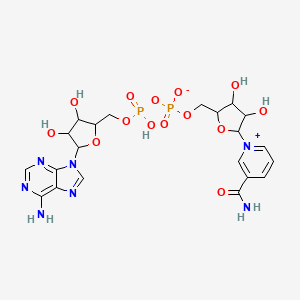
Source: PubChem
Dosage--This PRODUCT IS INTENDED AS A RESEARCH CHEMICAL ONLY. This designation allows the use of research chemicals strictly for in vitro testing and laboratory experimentation only. All product information available on this website is for educational purposes only. This product should only be handled by licensed, qualified professionals. This product is not a drug, food, or cosmetic and may not be misbranded, misused or mislabeled as a drug, food or cosmetic.
Additional Taxes may apply for shipping to GCC
100% Authentic
Made in USA
Authorised distributor
3 - 10 days delivery
Click to read - How we deliver to India
Disclaimer
Product Information Sheet
: Not a diet substitute. Seek Medical guidance if unsure before use.
NAD+ (Nicotinamide Adenine Dinucleotide)
NAD+ is a crucial coenzyme present in all living cells, central to redox reactions and cellular metabolism. It participates in glycolysis, β‑oxidation, and oxidative phosphorylation, while also serving as a substrate for post‑translational modifications such as ADP‑ribosylation and deacetylation. These processes are vital for energy metabolism, DNA repair, gene expression, and stress response. Beyond its metabolic role, NAD+ functions as a signaling molecule, influencing pathways related to cell survival, aging, and disease susceptibility. Levels of NAD+ decline with age, sparking interest in NAD+‑boosting molecules for health and longevity.
Mechanistic Claims
- Energy Metabolism: Essential cofactor in glycolysis, β‑oxidation, and oxidative phosphorylation.
- DNA Repair & Genomic Stability: Substrate for PARPs (poly‑ADP ribose polymerases) involved in DNA repair.
- Epigenetic Regulation: Supports sirtuin‑mediated deacetylation, modulating gene expression and stress resistance.
- Cell Survival & Stress Response: Influences pathways that regulate apoptosis, inflammation, and cellular resilience.
- Aging & Longevity: Declining NAD+ levels linked to metabolic dysfunction, mitochondrial decline, and age‑related diseases.
Research Applications
- Metabolic and mitochondrial biology studies
- DNA repair and genomic stability investigations
- Epigenetics and sirtuin biology research
- Aging and longevity studies
- Neurodegenerative and age‑related disease models
NAD+ Research
NAD+ is involved in redox reactions and serves as a cofactor for various enzymes, including sirtuins and poly(ADP-ribose) polymerases. It plays a significant role in cellular processes such as metabolism, DNA repair, and chromatin remodeling, which are vital for maintaining tissue and metabolic homeostasis. A decline in NAD+ levels is observed with aging, contributing to age-associated diseases like cognitive decline, cancer, and metabolic disorders.
Aging and Longevity
NAD+ plays a significant role in aging and longevity. Research indicates that restoring NAD+ levels in aged or diseased animals can promote health and extend lifespan. This has led to the exploration of NAD+ precursors like nicotinamide riboside (NR) and nicotinamide mononucleotide (NMN), which have shown promise in ameliorating age-associated pathophysiologies.1
CD38, an NADase, plays a central role in age-related NAD+ decline. Inhibiting CD38 with specific inhibitors like 78c has been shown to reverse NAD+ decline and improve metabolic and physiological parameters in aging models. This includes enhanced glucose tolerance, muscle function, and cardiac performance. The increase in NAD+ levels activates pro-longevity factors such as sirtuins and AMPK, while inhibiting pathways like mTOR-S6K that negatively affect healthspan. This pharmacological strategy highlights the potential of targeting NAD+ metabolism to prevent or reverse age-related metabolic dysfunction.2
Metabolic Disorders
Alterations in NAD+ metabolism are closely linked to the development of metabolic disorders such as diabetes, obesity, and non-alcoholic fatty liver disease (NAFLD). NAD+ levels tend to decrease with aging and under conditions of nutrient disturbance, contributing to these disorders.3 The imbalance in NAD+/NADH ratios can lead to impaired cellular stress responses and metabolic dysfunctions, which are characteristic of metabolic diseases.4
Cardiovascular Diseases
Aging and metabolic stress are associated with a decline in NAD+ levels, which can lead to mitochondrial dysfunction and increased susceptibility to cardiovascular diseases.5 This depletion is linked to major risk factors such as obesity and hypertension, which contribute to the development of conditions like atherosclerosis and cardiomyopathies.6 The loss of NAD+ with age or stress underscores the importance of maintaining NAD+ levels to prevent cardiovascular dysfunction.7
Neurodegenerative Disorders
NAD+ participates in redox reactions and NAD+-dependent signaling processes, which are essential for modulating mitochondrial function and reducing oxidative stress, a common feature in neurodegenerative diseases. The activation of NAD+-dependent pathways can enhance cellular resilience against oxidative damage, which is crucial for maintaining neuronal health.8 Additionally, NAD+ influences axonal maintenance and viability, with its metabolism being a target for therapeutic interventions in neurological diseases.9
Research suggests that increasing NAD+ availability can ameliorate mitochondrial dysfunction and reduce neuroinflammation. This has been demonstrated in models of Parkinson’s disease, Alzheimer’s disease, and ALS, where NAD+ enhancement improved mitochondrial function, reduced neuroinflammation, and enhanced cognitive and synaptic functions. The Sirt1/PGC-1α pathway is one mechanism through which NAD+ exerts its protective effects, highlighting its potential as a therapeutic target.10
Mitochondrial Function
NAD+ metabolism is intricately linked to mitochondrial function. It acts as a substrate for sirtuins, a family of NAD+-dependent deacylases, which are key regulators of mitochondrial homeostasis. Increased NAD+ levels and sirtuin activation have been associated with improved mitochondrial function, organismal metabolism, and lifespan across various species.11
The source and transport of NAD+ within mitochondria have been subjects of debate. Recent studies have identified SLC25A51 as a mammalian mitochondrial NAD+ transporter, which is essential for maintaining mitochondrial NAD+ pools and respiratory function.12 The de novo synthesis of NAD+ has been shown to enhance mitochondrial function, with enzymes like ACMSD playing a critical role in regulating cellular NAD+ levels and sirtuin activity.11
Cancer Research
Cancer cells exhibit a unique metabolic phenotype known as the Warburg effect, characterized by increased glycolysis even in the presence of oxygen, which is supported by elevated NAD+ levels.12 The NAD+ salvage pathway is particularly important in cancer cells, as it is the primary method of NAD+ synthesis, and its inhibition has been shown to induce cancer cell cytotoxicity.13
NAD+ metabolism is not only crucial within cancer cells but also affects the tumor microenvironment. NAD+ and its metabolites can influence immune responses and contribute to the creation of an immunosuppressive tumor microenvironment.14 Enzymes such as CD38, which consume NAD+, are involved in producing immunosuppressive metabolites like adenosine, further impacting cancer progression and immune evasion.15
Targeting NAD+ metabolism presents a promising strategy for cancer treatment. Inhibitors of NAD+ biosynthesis, particularly those targeting nicotinamide phosphoribosyltransferase (NAMPT), have shown potential in preclinical models, although resistance mechanisms such as alternative NAD+ biosynthetic pathways can limit their effectiveness.16
References
- Rajman, L., Chwalek, K., & Sinclair, D. (2018). Therapeutic Potential of NAD-Boosting Molecules: The In Vivo Evidence.. Cell metabolism, 27 3, 529-547 . https://doi.org/10.1016/j.cmet.2018.02.011.
- Tarragó, M., Chini, C., Kanamori, K., Warner, G., Caride, A., De Oliveira, G., Rud, M., Samani, A., Hein, K., Huang, R., Jurk, D., Cho, D., Boslett, J., Miller, J., Zweier, J., Passos, J., Doles, J., Becherer, D., & Chini, E. (2018). A Potent and Specific CD38 Inhibitor Ameliorates Age-Related Metabolic Dysfunction by Reversing Tissue NAD+ Decline.. Cell metabolism, 27 5, 1081-1095.e10 . https://doi.org/10.1016/j.cmet.2018.03.016.
- Okabe, K., Yaku, K., Tobe, K., & Nakagawa, T. (2019). Implications of altered NAD metabolism in metabolic disorders. Journal of Biomedical Science, 26. https://doi.org/10.1186/s12929-019-0527-8.
- Amjad, S., Nisar, S., Bhat, A., Shah, A., Frenneaux, M., Fakhro, K., Haris, M., Reddy, R., Patay, Z., Baur, J., & Bagga, P. (2021). Role of NAD+ in regulating cellular and metabolic signaling pathways. Molecular Metabolism, 49. https://doi.org/10.1016/j.molmet.2021.101195.
- Rotllan, N., Camacho, M., Tondo, M., Diarte-Añazco, E., Canyelles, M., Méndez-Lara, K., Benítez, S., Alonso, N., Mauricio, D., Escolà-Gil, J., Blanco-Vaca, F., & Julve, J. (2021). Therapeutic Potential of Emerging NAD+-Increasing Strategies for Cardiovascular Diseases. Antioxidants, 10. https://doi.org/10.3390/antiox10121939.
- Abdellatif, M., Sedej, S., & Kroemer, G. (2021). NAD+ Metabolism in Cardiac Health, Aging, and Disease.. Circulation, 144 22, 1795-1817 . https://doi.org/10.1161/CIRCULATIONAHA.121.056589.
- Lin, Q., Zuo, W., Liu, Y., Wu, K., & Liu, Q. (2021). NAD+ and Cardiovascular Diseases.. Clinica chimica acta; international journal of clinical chemistry. https://doi.org/10.1016/j.cca.2021.01.012.
- Pehar, M., Harlan, B., Killoy, K., & Vargas, M. (2017). Nicotinamide Adenine Dinucleotide Metabolism and Neurodegeneration.. Antioxidants & redox signaling, 28 18, 1652-1668 . https://doi.org/10.1089/ars.2017.7145.
- Alexandris, A., & Koliatsos, V. (2023). NAD+, Axonal Maintenance, and Neurological Disease. Antioxidants & Redox Signaling, 39, 1167 – 1184. https://doi.org/10.1089/ars.2023.0350.
- Zhao, Y., Zhang, J., Zheng, Y., Zhang, Y., Zhang, X., Wang, H., Du, Y., Guan, J., Wang, X., & Fu, J. (2021). NAD+ improves cognitive function and reduces neuroinflammation by ameliorating mitochondrial damage and decreasing ROS production in chronic cerebral hypoperfusion models through Sirt1/PGC-1α pathway. Journal of Neuroinflammation, 18. https://doi.org/10.1186/s12974-021-02250-8.
- Katsyuba, E., Mottis, A., Ziętak, M., De Franco, F., Van Der Velpen, V., Gariani, K., Ryu, D., Cialabrini, L., Matilainen, O., Liscio, P., Giacchè, N., Stokar-Regenscheit, N., Legouis, D., De Seigneux, S., Ivanisevic, J., Raffaelli, N., Schoonjans, K., Pellicciari, R., & Auwerx, J. (2018). De novo NAD+ synthesis enhances mitochondrial function and improves health. Nature, 563, 354 – 359. https://doi.org/10.1038/s41586-018-0645-6.
- Luongo, T., Eller, J., Lu, M., Niere, M., Raith, F., Raith, F., Perry, C., Bornstein, M., Oliphint, P., Wang, L., McReynolds, M., Migaud, M., Rabinowitz, J., Johnson, F., Johnsson, K., Johnsson, K., Ziegler, M., Cambronne, X., & Baur, J. (2020). SLC25A51 is a mammalian mitochondrial NAD+ transporter. Nature, 588, 174 – 179. https://doi.org/10.1038/s41586-020-2741-7.
- Yaku, K., Okabe, K., Hikosaka, K., & Nakagawa, T. (2018). NAD Metabolism in Cancer Therapeutics. Frontiers in Oncology, 8. https://doi.org/10.3389/fonc.2018.00622.
- Kennedy, B., Sharif, T., Martell, E., Dai, C., Kim, Y., Lee, P., & Gujar, S. (2016). NAD+ salvage pathway in cancer metabolism and therapy.. Pharmacological research, 114, 274-283 . https://doi.org/10.1016/j.phrs.2016.10.027.
- Audrito, V., Managò, A., Gaudino, F., Sorci, L., Messana, V., Raffaelli, N., & Deaglio, S. (2019). NAD-Biosynthetic and Consuming Enzymes as Central Players of Metabolic Regulation of Innate and Adaptive Immune Responses in Cancer. Frontiers in Immunology, 10. https://doi.org/10.3389/fimmu.2019.01720.
- Myong, S., Nguyen, A., & Challa, S. (2024). Biological Functions and Therapeutic Potential of NAD+ Metabolism in Gynecological Cancers. Cancers, 16. https://doi.org/10.3390/cancers16173085.
- Ghanem, M., Caffa, I., Monacelli, F., & Nencioni, A. (2024). Inhibitors of NAD+ Production in Cancer Treatment: State of the Art and Perspectives. International Journal of Molecular Sciences, 25. https://doi.org/10.3390/ijms25042092.
Product Information
| Property | Value |
|---|---|
| Presentation | Vial |
| Molecular Formula | C21H27N7O14P2 |
| Molecular Weight | 663.43 g/mol |
| CAS Number | 53-84-9 |
| PubChem CID | 925 |
| Synonyms | 53-84-9, beta-nicotinamide adenine dinucleotide, Endopride, alpha-Diphosphopyridine nucleotide, 7298-93-3 |
NAD+ Structure
Source: PubChem
This PRODUCT IS INTENDED AS A RESEARCH CHEMICAL ONLY. This designation allows the use of research chemicals strictly for in vitro testing and laboratory experimentation only. All product information available on this website is for educational purposes only. This product should only be handled by licensed, qualified professionals. This product is not a drug, food, or cosmetic and may not be misbranded, misused or mislabeled as a drug, food or cosmetic.


